SIX MONTHS AWAY
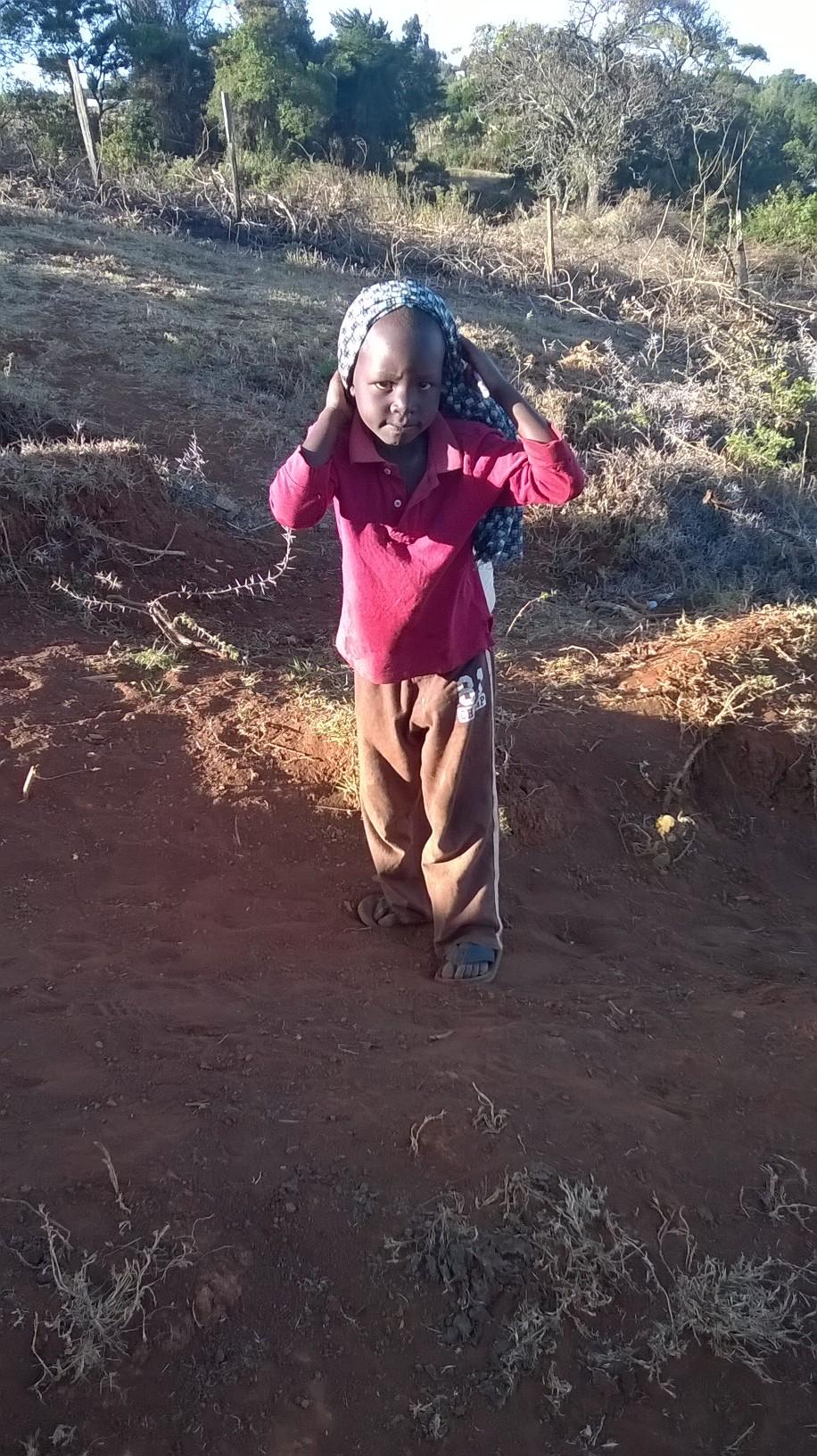
John Carter, Iten
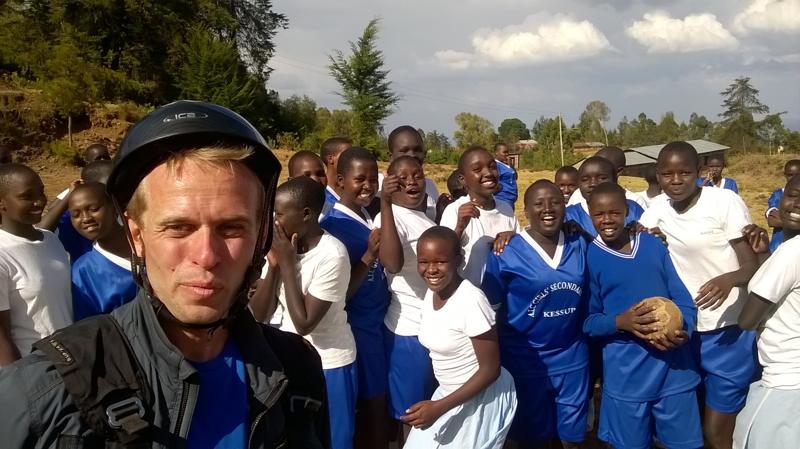
If you see a small African child leap after a briskly rolling, dirty tyre, laughing as he easily overtakes it on the slope and deftly catches it between his palms to stop it, you will probably not be surprised when, after such an acrobatic feat, the children nimbly point you towards the local tyre shop, greet you and modestly invite you in.
The most common greeting is without doubt How are you, or rather How r u (it sounds like hvarju). Judging by how often it is used, this way of welcoming people seems to be standard equipment for every child aged two and over, and it has apparently become a social norm as well.
Very often you feel like John Carter in the film of the same name, in which the hero is teleported from 19th-century Virginia, USA, to another planet whose civilisation is completely different from ours. Even the reddish-brown soil reminds you of satellite pictures of the surface of Mars, or rather of the planet Barsoom, where the story of the film takes place.
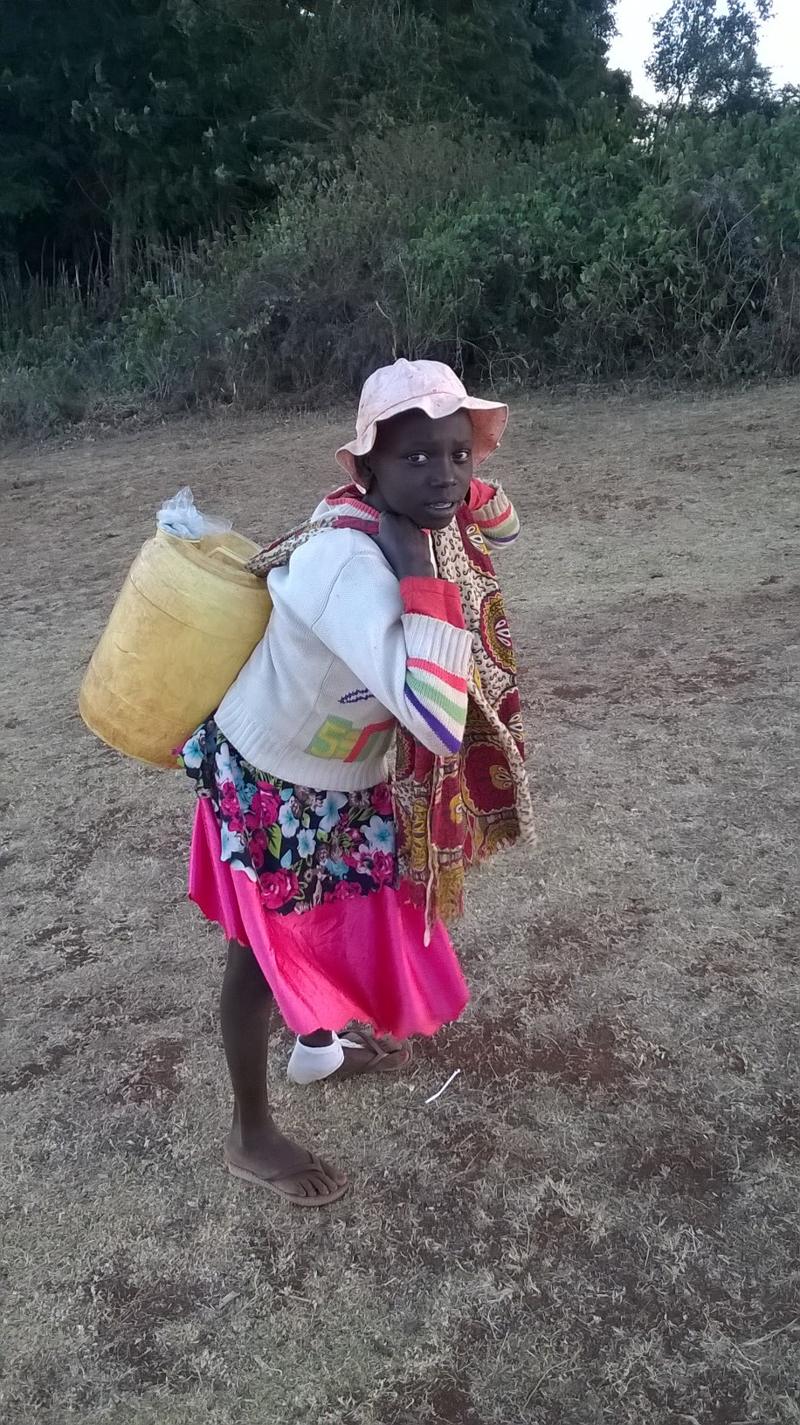
If we searched further, we would find more similarities, but in the little town of Iten, specifically in its poorest part, where our story takes place, notice how harmoniously the locals live, not only within their own community but above all with the animals.
Here you commonly meet a herd of a few cows, goats or sheep with a little boy at its head, leading them home from pasture along narrow paths near the busy main tarmac road, or you see them tied to wooden stakes, feeding on the last remaining tufts of parched grass.
A few houses from ours you walk along a lane between tall sheet-metal fences, when a woman hanging out her washing speaks to you and, with a smile on her lips and unflagging enthusiasm, announces that in February, after a long dry spell, there might even be rain for a short while. We believe it will rain soon; the roads are already very dusty and a passing Tatra lorry blocks your view for several minutes.
If you are lucky and cannot see a step in front of you, you will not notice the body of a dog that has been lying in the ditch for a few weeks, its stiffened corpse looking like an oversized stuffed toy from a toy shop for children aged 3 and up. The only difference is that looking at it would make you shudder with horror.
When you return home after such an experience, next to the shop with very good and tasty bread and pastries you smell, even through the cloud of dust, the acrid stench of burning rubbish made up of leftover food, all sorts of food packaging and plastic bottles.
Despite all this, to the simple question How r u you always reply in the same way:
I am fine thank you. And how r u?
And you mean it completely seriously. Little by little you get used to the dry mouth, the dust between your teeth, the regularly irregular power cuts, the ice-cold shower and weeks without a razor, deodorant, perfume and other such unnecessary things.
Just as with many questions about the meaning of life, in Iten you will not get an answer to this question either.
Yet you know that the world is perfectly all right and you are happy that you can be here, even though it is 6 o'clock in the morning and you have not been able to fall asleep for several hours.
Why might that be?
Interesting matters
The next Kenyan instalment, John Carter, Iten, was written in the night before Tuesday 17th January, a sleepless night without electricity, without a hot shower and without the wonderful local dish samosa, which had stopped being sold just before we arrived. We were saved only by the food we had bought in advance and a shot of the special dark Bacardi Carta Negra brought from a Turkish duty-free zone, the name of which is best not said out loud here.